Originally written May 23rd 2011.
In light of recent events and the passing of Robin Williams
I am reposting this blog from my archives.
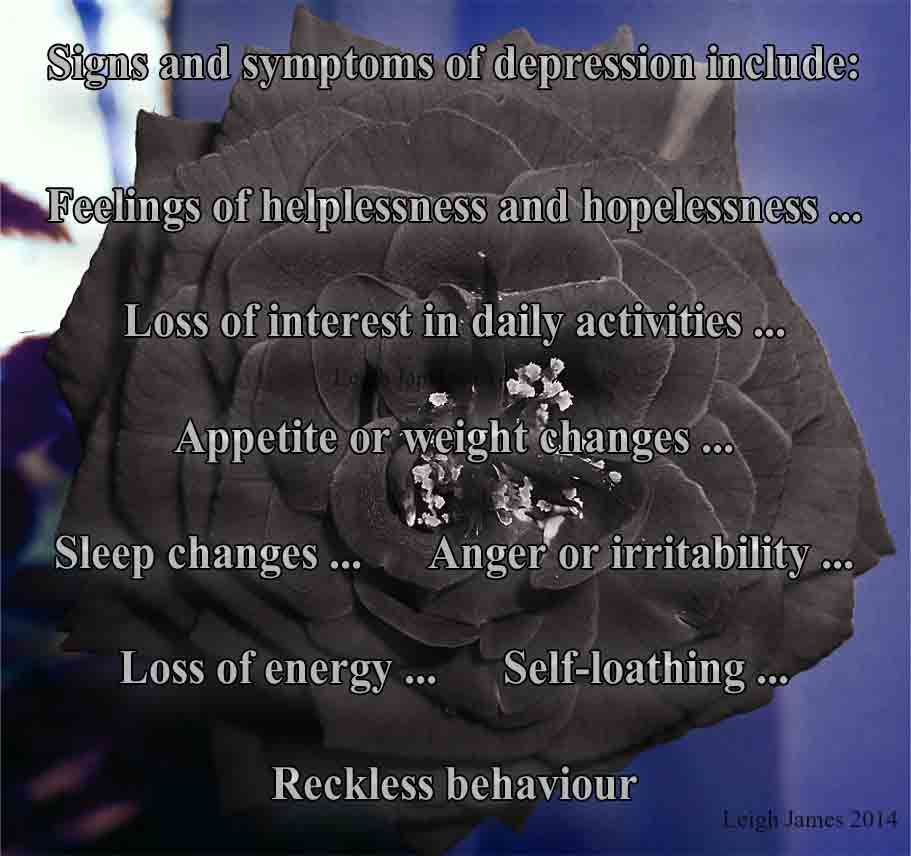
(Blue section relates specifically to depression. The rest of this blog post talks about my struggle with Fibro, emotions and weight)
I read a blog from a
fellow fibromite (and GP) http://bit.ly/jXRht8
"Fibromyalgia is a purely psychological condition. There is no physical component other than what you imagine. It is simply a case of mind over matter. If you were more positive, and could pull yourself together, this would not be happening to you.I disagree.However, maybe at least part of fibromyalgia can be controlled by addressing the psychological issues…………Yet people with fibromyalgia often seem reluctant to pursue any form of psychological intervention for their illness. For example, I ran a poll asking people about fibromyalgia ebooks. I asked what sort of information people would hope to read about. One of the suggested topics was: “Counselling and Cognitive Behavioural Therapy”. In the poll, this was one of the least popular responses."
I got inspired to write a response then decided I was waffling so thought I’d write in my blog instead.
Having had CBT and counselling for many other reasons in my life (prior to the fibro diagnosis) I guess I have to say I am VERY sceptical that it would have any benefit on me at this point in my life. CBT and counselling work as long as you keep attending the sessions -BUT eventually the counsellor says OK you’re done NEXT patient please, and you get left to carry on alone.
Well for me, that doesn’t work. I lose focus, interest, patience very quickly. Everything I’ve learnt fades away from me.
YES, thinking positive is a good thing. My acupuncturist often helps me
to think positive during our sessions. We talk about the good stuff I’ve done
that week and what I achieved rather than failed to do. She reminds me to
try to think of 2 good things I’ve done each day b4 bed, and that night I will
usually remember to do it. But only 2 days after I’ve seen her my head
clouds over, the ‘empty’ feeling creeps back and all the negative thoughts take
over again. WHY? I wish they wouldn’t.
My depression / anxiety and OCD seems to affect ALL my thoughts. not just those that dig at me about whether the door is locked or the lights are off but the darker thoughts, the depressing ones. replaying images in my mind every time I close my eyes. Images of sick and injured animals, flashbacks of a recent near miss accident in the car, arguments with loved ones (that didn’t happen, but I imagine them), bad news even death. (I actually had the thought on Friday night – what the hell would happen to my OH and my mum if I died in my sleep) I mean really? Who goes to be thinking like that?
I DONT WANT TO THINK LIKE THIS. I want to think of happy times, happy places, happy people. Positivity comes and goes like a tide. When the water is high I feel overwhelmed with a fear of drowning. I can’t see or reach the bottom where everything I want is staring back at me from the sand.
As the waters recede I feel calmer, I breathe deeper, I reach out for those happy memories and manage to grab a hold of them. I find my smile again, and even my laughter. (they are my shells and pebbles)
Of course that wave is going to come back. How I deal with it
varies. Sometimes I manage to stay afloat and hold on to my positive memories:
My shells and pebbles held tightly in my hands. I wait it out until the
waters ebb away and remember this as a day I achieved something good.
Other times (such as recent weeks) I just can’t hold on to them, I watch
them falling back down through the water to the sand. I feel the seaweed
tightening its grip, tugging at my body, pulling me down. That empty
feeling washes over me and I sink. I don’t want to, I can’t help it.
It is easier to sink than fight to stay afloat.
Wow, I did waffle didn’t I. Where was I, oh yes…CBT and counselling and the psychological side of Fibromyalgia. Maybe a little personal counselling is called for at this juncture:
YES, of course there is an aspect of psychology to having Fibro. You can’t fail to see the connection, when your body is in constant pain, you’re bound to become depressed. BUT, what if you were already suffering from depression (for more than 15 yrs) before you were told you had Fibromyalgia. Then you start to ask yourself the age old question: Which Came First?
Have I had Fibro longer than I think I have? I know I have always been sensitive to stimuli. I have never really been what you might call ‘fit and healthy’. Did my depression (and severe lack of serotonin) lead to my Fibro, or has the fibro been there all this time, causing ALL my other problems since I was a child. I know that over the last 10 yrs my health has drastically deteriorated and the pain I experience has multiplied with every passing year.
I have therefore assumed that the
fibro started sometime in the last 10 yrs. But did it ?
I can recall being light sensitive as far back
as I can remember. I was always the kid who said OWW and got mocked for
being a wimp. I was diagnosed with Tenosynovitis in my hands at the age
of just 15 and wore splints for 2 years. Was this my bodies 1st flare?
I have always been emotional and easily hurt/offended. Touchy and
moody. Diagnosed with depression at just 19, I’ve never been of the meds since.
My childhood wasn’t great – I’m not going to go into details, but suffice to say I had a lousy father. What I will say is it made being a kid tricky. I was on edge a lot of the time cos of his temper. He was never physical but god his words. (shudders).
I wasn’t one of the popular kids (in fact I was the target of much amusement for the bullies) and I didn’t have too many friends either. I am an only child and learnt to entertain myself from an early age. Is this another factor in my current situation? Did this have a psychological effect on me in adulthood. TOO BLOODY RIGHT it did.
They say the bad stuff is easier to believe. Aint that the truth. When you spend 12 yrs of you youth being picked on and told you’re fat, lazy and useless, you kinda figure well, if that’s what they see in me, then so be it. That’s what I’ll be. Now don’t get me wrong. I didn’t stop and think one day, I’m going to be fat lazy and useless, but it’s about conditioning. What we are taught, no matter who teaches it, will have an impact on our lives.
I heard the word FAT so many times its what I’ve become. IM NOT BLAMING the bullies for making me fat – so don’t go getting on your high horses at me. What I’m saying is, indirectly, subconsciously, somewhere in the back of my screwed up head, something said UR FAT….so that’s what I am. I’ve struggled with my weight for years. I was NOT FAT at school. I was taller than the other kids, and bigger built. I was the wimp, the one who cried a lot, so I was an easy target. I am not going to deny that, over the years, I’ve developed an unhealthy obsession with food. I’ve used it for comfort, in anger, and in joy. I’ve had CBT to help me break binge cycles and counselling to try to get to the root cause of my obsessions. You know what…every time….it comes back to the bullying at school. Those words ringing in my ears…Fatty fat fat. Are you sure your bike can hold you…wow look at the wheels buckle…are you pregnant….and so the story goes. I am an addict. I know this. I know what’s good for me and what isn’t. Don’t get me wrong. I DONT eat take aways and junk food. I CANT – I have an intolerance to all the additives in that sort of crap, apart from not being that fussed on the taste. But I am a chocolate addict, and I do eat too much of the right thing too. KNOW IT ALL. ITs a continuing war of wills in my head, heart and stomach. I have days, weeks even months when I can do soooo well, lose weight, feel better about myself, then BANG. Just 1 wrong word from a stranger or a family member, 1 crisis in my life – a bill I can’t pay, something breaks, even a Fibro flare….and I’m back to my old habits. IT can take me months to get the willpower back and start again. Oh I know, I can hear people screaming at me…I DO THAT TOO… there are many many of us out there.
My childhood wasn’t great – I’m not going to go into details, but suffice to say I had a lousy father. What I will say is it made being a kid tricky. I was on edge a lot of the time cos of his temper. He was never physical but god his words. (shudders).
I wasn’t one of the popular kids (in fact I was the target of much amusement for the bullies) and I didn’t have too many friends either. I am an only child and learnt to entertain myself from an early age. Is this another factor in my current situation? Did this have a psychological effect on me in adulthood. TOO BLOODY RIGHT it did.
They say the bad stuff is easier to believe. Aint that the truth. When you spend 12 yrs of you youth being picked on and told you’re fat, lazy and useless, you kinda figure well, if that’s what they see in me, then so be it. That’s what I’ll be. Now don’t get me wrong. I didn’t stop and think one day, I’m going to be fat lazy and useless, but it’s about conditioning. What we are taught, no matter who teaches it, will have an impact on our lives.
I heard the word FAT so many times its what I’ve become. IM NOT BLAMING the bullies for making me fat – so don’t go getting on your high horses at me. What I’m saying is, indirectly, subconsciously, somewhere in the back of my screwed up head, something said UR FAT….so that’s what I am. I’ve struggled with my weight for years. I was NOT FAT at school. I was taller than the other kids, and bigger built. I was the wimp, the one who cried a lot, so I was an easy target. I am not going to deny that, over the years, I’ve developed an unhealthy obsession with food. I’ve used it for comfort, in anger, and in joy. I’ve had CBT to help me break binge cycles and counselling to try to get to the root cause of my obsessions. You know what…every time….it comes back to the bullying at school. Those words ringing in my ears…Fatty fat fat. Are you sure your bike can hold you…wow look at the wheels buckle…are you pregnant….and so the story goes. I am an addict. I know this. I know what’s good for me and what isn’t. Don’t get me wrong. I DONT eat take aways and junk food. I CANT – I have an intolerance to all the additives in that sort of crap, apart from not being that fussed on the taste. But I am a chocolate addict, and I do eat too much of the right thing too. KNOW IT ALL. ITs a continuing war of wills in my head, heart and stomach. I have days, weeks even months when I can do soooo well, lose weight, feel better about myself, then BANG. Just 1 wrong word from a stranger or a family member, 1 crisis in my life – a bill I can’t pay, something breaks, even a Fibro flare….and I’m back to my old habits. IT can take me months to get the willpower back and start again. Oh I know, I can hear people screaming at me…I DO THAT TOO… there are many many of us out there.
———————————————————————————
You know that hardest part about being overweight (and I’m talking morbidly obese here, not just a few pounds off your ideal weight). Its not finding clothes to fit, or the cruel words from strangers. It’s the way you get treated by the medical profession.
On more than one occasion I have walked into a doctors office and watched the GP look me up and down in that “Oh here we go another fat person who wants to know what’s wrong with them” way. You just know their answer to your question is going to be lose weight. ….
Me: ”Doctor, I’m here because of this severe pain in my shoulder, I can’t move it, I can’t sleep…..”
GP: *looks me up and down and says* ”Have you thought about losing some weight?” ”What have you been doing about losing your weight?” “Would you like me to refer you to a dietician?”
Me: “Yes I have thought about it, Yes I have tried, no I don’t want ANOTHER referral to a dietician”. Hangs head in shame and leaves GPs office feeling like a piece of dirt under her shoe.
YES this really did
happen. That was literally how the conversation went. I got nothing from
her about my shoulder and left the surgery in tears. (this was before my fibro
dx). I had to stop my OH from going in there and kicking off. Suffice
to say I changed GP practice the next day.
——————————————————————————————————–
Oh dear I went off on a tangent again didn’t I?
The words just seem to be flowing today…. But I really must wrap this up now before I send any more of my readers into a boredom induced coma.
Conclusion : Dear Doctors, We are all different, what works for 1 patient is never going to work for them all. I am ME, I am an individual who deserves my own diagnosis, my own medicines and a little bit of respect from you when I walk into your office in need of help.
If I tell you I have tried something and it didn’t work, don’t assume I am LYING. If I tell you I CANT do something you suggest to me, don’t assume I am LAZY. If I am asking for your HELP, I want you to do your best for me, not palm me off with 3rd rate ideas, pointless meds and a load of medical jargon I don’t understand and will never remember !!
Treat me, the way you would expect to be treated. I mean this in the medical sense and in the way you speak to me.
Yours
A chronically sick person who just wants to live her life in the best way she can, and has finally come to terms with the fact she needs help from other people to achieve this….and is asking for YOUR help.